Charles Portis
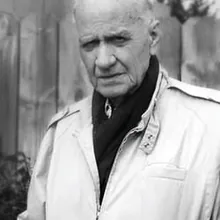
Charles McColl Portis (December 28, 1933 – February 17, 2020) was an acclaimed American novelist and journalist, best known as the author of the masterpiece Western novel True Grit. Born in El Dorado, Arkansas, he grew up in several small towns across the state before enlisting in the U.S. Marine Corps during the Korean War, where he served as a rifleman and attained the rank of sergeant. After his discharge, he graduated with a degree in journalism from the University of Arkansas and launched a successful newspaper career. He wrote for The Commercial Appeal and the Arkansas Gazette before moving to New York to join the New York Herald-Tribune, where he covered the civil rights movement and eventually became the paper's London bureau chief. In 1964, he left journalism to return to Arkansas and dedicate himself entirely to fiction, earning a reputation for his deadpan comedic tone, sharp dialogue, and eccentric characters.
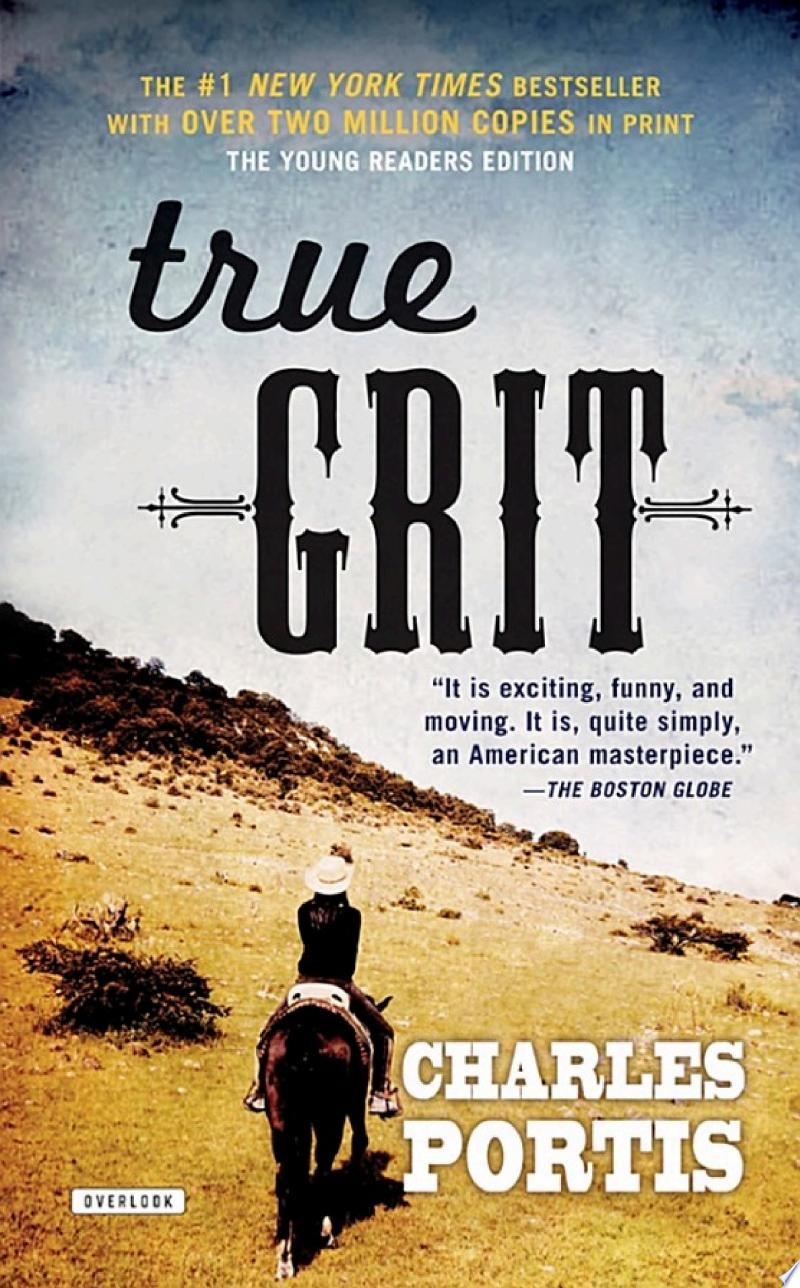
His debut novel, Norwood (1966), followed a Texas mechanic's madcap journey to New York, but it was his second book, True Grit (1968), that brought him massive literary and commercial success. Written from the perspective of 14-year-old Mattie Ross seeking vengeance for her father's murder, the bestseller inspired two major films: the 1969 adaptation starring John Wayne and the 2010 remake by the Coen brothers.
Portis followed this masterpiece with three more highly praised novels, including the comical pursuit narrative The Dog of the South (1979), the secret-cult satire Masters of Atlantis (1985), and his final expatriate story Gringos (1991).
Known for living a deeply private life away from the literary spotlight, Portis passed away from complications of Alzheimer's disease at the age of 86, leaving behind a legacy as one of America's most enduring and uniquely witty literary voices, with his complete works eventually preserved by the Library of America.