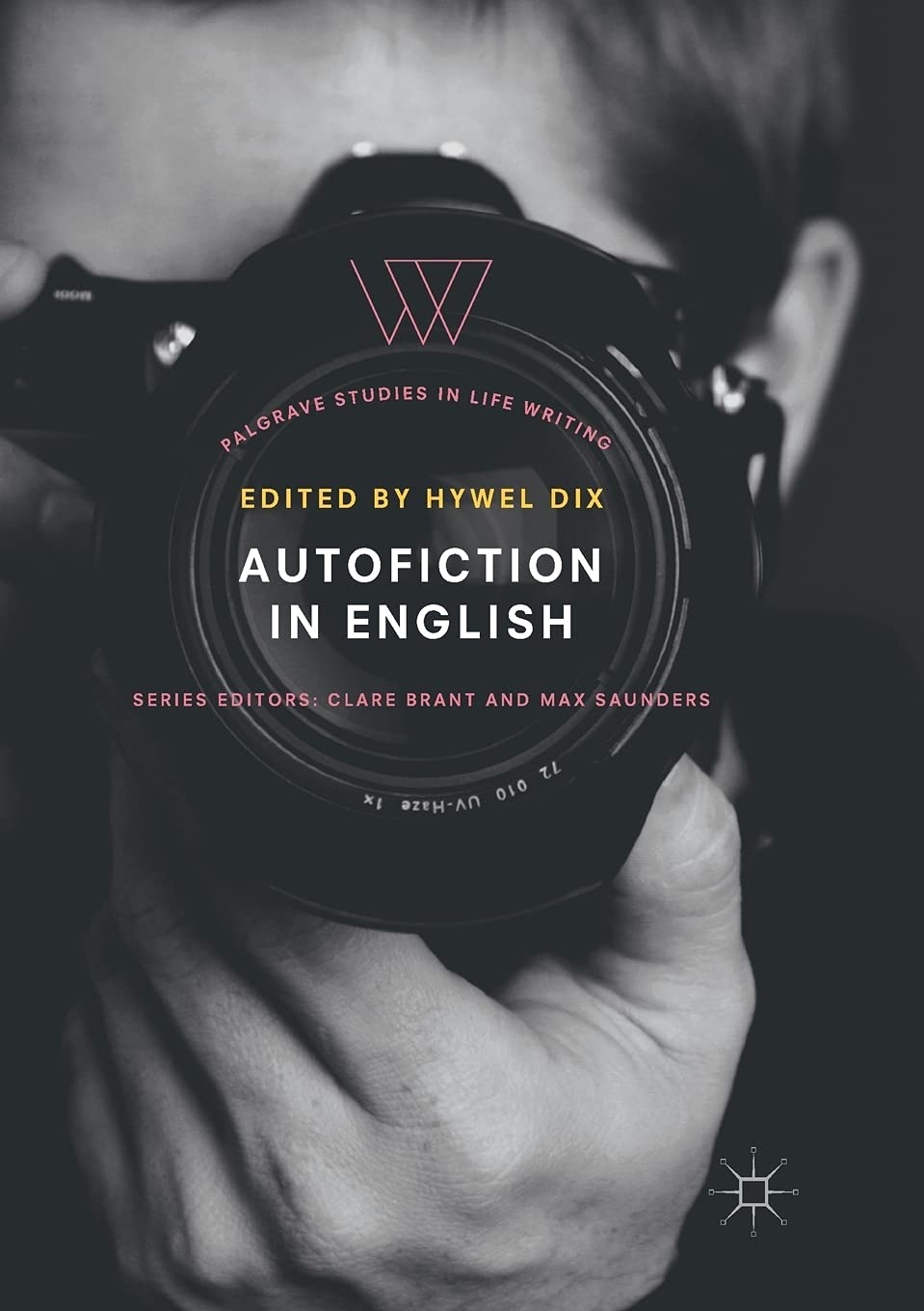


Autofiction in English book cover by Hywel Dix

Autofiction in English

Adult • 20th Century
Historically contextualizes English autofiction Analyzes authorial self-reflexivity Considers the impact of trauma on narrative Compares French and Anglophone autofiction Focuses on authorship in literature

This innovative volume establishes autofiction as a new and dynamic area of theoretical research in English. Since the term was coined by Serge Doubrovsky, autofiction has become established as a recognizable genre within the French literary pantheon. Yet unlike other areas of French theory, English-language discussion of autofiction has been relatively limited - until now. Starting out by exploring the characteristic features and definitions of autofictionfrom a conceptual standpoint, the collection identifies a number of cultural, historical and theoretical contexts in which the emergence of autofiction in English can be understood. In the process, it identifies what is new and distinctive about Anglophone forms of autofiction when compared to its French equivalents. These include a preoccupation with the conditions of authorship; writing after trauma; and a heightened degree of authorial self-reflexivity beyond that typically associated with postmodernism.

By concluding that there is such a field as autofiction in English, it provides for the first time detailed analysis of the major works in that field and a concise historical overview of its emergence. It thus opens up new avenues in life writing and authorship research.

Choose a book format
Paperback prices by retailer

Pick a format, then compare retailer prices. The main button points to the preferred option for the selected format.

Edition information

Book details

Publisher
Palgrave Macmillan
Publication date
2018
Print length
299 pages
Language
English
ISBN
9783319899022

20th Century

Reader guide

What to Know Before Reading Autofiction in English

Since the term was coined by Serge Doubrovsky, autofiction has become established as a recognizable genre within the French literary pantheon. Yet unlike other areas of French theory, English-language discussion of autofiction has been relatively limited - until now. The collection identifies a number of cultural, historical and theoretical contexts in which the emergence of autofiction in English can be understood.

Join the Reader List

Join bks.social’s reader list for book recommendations, reader updates, featured titles, and occasional community news. No noise. Just the important things.

G-NRIS™ story intelligence

Why readers connect with Autofiction in English

A concise view of the book’s strongest literary signals and the reading interests shared by people connected to it on bks.social.

Reader connection

Readers connected to this book most often reflect Psychological Moral Explorer reader archetypes. Their strongest shared genre interests include Literary Fiction, Crime, Science Fiction, and Dystopian. They are commonly drawn to themes such as Exploring The Fractured Self, Understanding Human Nature, Rebellion Against Authority, and Surveillance.

About the author

Hywel Dix

Hywel Dix

Hywel Dix is Principal Lecturer in English and Communication at Bournemouth University, UK. He has published extensively on contemporary British literature, most notably in After Raymond Williams: Cultural Materialism and the Break-Up of Britain (Second Edition, 2013) and Postmodern Fiction and the Break-Up of Britain (2010) . His wider research interests include postmodernism, critical cultural theory and life writing. His monograph about literary careers, The Late-Career Novelist , was published in 2017.

Join the book lovers community

Continue the conversation in the Book Hub for Autofiction in English

Visit bks.social’s Book Hub for reader discussions, reviews, posts, quotes, questions, reading activity, related books, and G-NRIS story intelligence.